
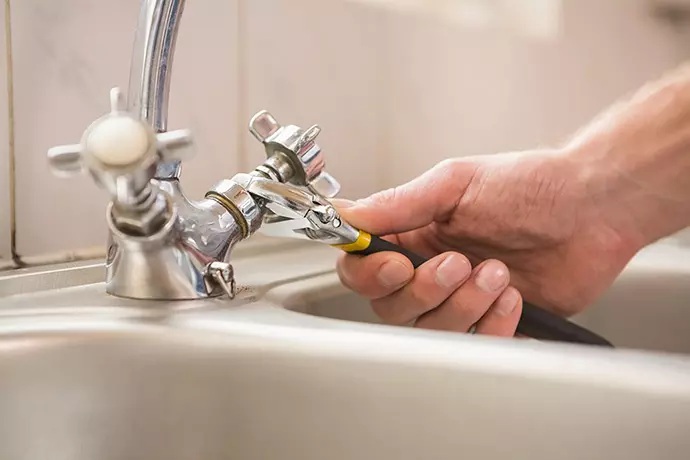
Low water flow from a kitchen tap is one of the most common issues London homeowners face. Hard water, ageing plumbing systems, and daily wear can all reduce the water pressure in your tap. When this happens, washing dishes takes longer, rinsing food becomes annoying, and everyday tasks start to feel like a struggle.
If you live in London, this issue becomes even more common because of the high limescale content in local water. The good news is that many causes of low water flow can be fixed with simple DIY steps. This guide will help you understand why it happens, how to diagnose the problem, and how to fix it before calling a professional for kitchen tap repair in London.
Why Does Low Water Flow Happen in Kitchen Taps?
Kitchen taps work every day, so they collect debris, sediment, and limescale. Over time, these block the tap’s internal parts and reduce the water flow. In London, this problem is even worse because of Thames Water’s hard water supply. The minerals in the water leave white deposits inside the aerator, cartridge, and pipework.
Here are the main reasons your kitchen tap may have weak water flow:
1. Limescale Buildup
This is the number one cause in London homes. Limescale forms inside the aerator, filter, and even the tap cartridge. It restricts water and reduces pressure.
2. Blocked Tap Aerator
An aerator is a small mesh screen at the tip of the tap. Dirt, stones, limescale, and debris clog it over time.
3. Partially Closed Isolation Valves
The isolation valves under your sink control the water supply. If they are not fully open, water cannot reach the tap at full pressure.
4. Faulty or Worn Tap Cartridge
Most kitchen mixer taps use a cartridge that controls both flow and temperature. When it fails, the flow becomes weak or uneven.
5. Kinked or Blocked Flexible Hoses
The flexible hoses connecting the tap to the water supply can get twisted or blocked.
6. Water Pressure Issues in the Property
Sometimes, the problem is not the tap itself but the plumbing system or the water supply to your home.
Tools You Will Need
Before you start, gather the following tools:
Adjustable spanner
Screwdriver
Cleaning brush or old toothbrush
White vinegar or limescale remover
Towels or cloths
Bucket
Replacement cartridge or aerator (if needed)
These tools help you carry out safe and effective kitchen tap repairs.
Step-by-Step Guide to Fix Low Water Flow
Follow these steps one by one. Each one helps you narrow down the cause of the low flow and fix it easily at home.
Step 1: Check and Clean the Tap Aerator
This is the easiest and most common fix.
Look at the end of your kitchen tap spout.
Grip the aerator and twist it anti-clockwise. Use a rubber cloth or pliers if it’s stuck.
Once removed, check the mesh screen for white chalky deposits or small stones.
Soak the aerator in white vinegar for 20–30 minutes to break down limescale.
Scrub with a small brush.
Rinse and reattach.
Why this works: Most low-flow issues start right at the aerator. Cleaning it usually restores full pressure.
Step 2: Inspect and Clean the Tap Cartridge
If cleaning the aerator doesn’t solve the problem, move to the cartridge.
Turn off the water supply using the isolation valves.
Remove the tap handle by loosening the screw.
Unscrew the retaining nut to access the cartridge.
Pull the cartridge out carefully.
Check for dirt, limescale, or damaged rubber seals.
Clean the cartridge with warm water and vinegar.
If it’s cracked or worn, replace it with a compatible model.
Signs your cartridge is faulty:
Uneven hot and cold flow
Dripping tap
Stiff handle
Very slow water flow
Cartridges in London taps often fail earlier due to limescale buildup.
Step 3: Make Sure the Isolation Valves Are Fully Open
Look under your sink. You’ll see two valves connected to the tap hoses.
The slot on the valve should be in line with the pipe.
If it’s horizontal, it may be restricting water.
Turn the valve gently to fully open it.
If a faulty valve is restricting the water, the tap will never reach full flow until it’s replaced.
Step 4: Check Flexible Hoses Under the Sink
Flexible hoses are often overlooked.
Make sure the hoses are not twisted or bent sharply.
Check for kinks, swelling, or rust.
Disconnect the hose from the valve to check for blockages.
If the hose is damaged, replacing it will instantly improve your water flow.
Step 5: Flush the Tap and Plumbing Lines
This helps remove hidden sediment inside the tap body.
Turn off the water supply.
Remove the aerator again.
Open the tap fully.
Turn the water supply back on for a few seconds.
The water will rush out and clear any built-up sediment. Attach the aerator again afterward.
Step 6: Check for Property-Wide Water Pressure Issues
If none of the steps above work, test other taps in your home.
If all taps have low flow → You may have a water pressure issue.
If only the kitchen tap is affected → The problem is localised to that tap.
In London, water pressure problems can come from shared supply pipes, pressure regulators, or plumbing system faults. In this case, it’s best to call a professional plumber.
When You Should Call a Professional Plumber
Not every low-flow problem can be fixed with DIY steps. You should call a professional if:
The tap still has weak flow after cleaning the aerator and cartridge
You suspect a deeper pipe blockage
There is a leak under the sink
The valves or hoses need replacement
You don’t feel confident dismantling the tap
You need emergency repair
A certified plumber can perform pressure tests, check pipe condition, detect hidden leaks, and repair or replace faulty components safely.
For homeowners who need kitchen tap repair in London, working with experts ensures long-lasting results and compliance with UK Water Regulations.
How Professional Plumbers Diagnose Low Tap Flow
Experts use tools that help diagnose the problem accurately:
Pressure gauges
Pipe inspection cameras
Digital flow meters
Limescale detection tools
Isolation valve testing tools
Cartridge compatibility testers
This allows professionals to find the exact cause within minutes and repair the issue the same day.
Why Ignoring Low Water Flow Can Be Costly
Low water flow may seem like a small problem, but it often hides bigger issues:
Hidden leaks
Corroded pipes
Loose valves
Blocked plumbing lines
Early signs of a failing tap system
Fixing the problem early prevents costly plumbing repairs in the future.
Need Fast Kitchen Tap Repair in London?
If your kitchen tap still has low water flow after trying these steps, it’s time to call a professional. The Water Man Plumbing LTD offers:
24/7 emergency plumbing
Same-day tap repair
Expert diagnosis
Friendly local plumbers
Affordable and transparent pricing
Coverage across London and surrounding areas
Our team can repair, replace, or service any type of kitchen tap—mixer taps, pull-out taps, ceramic disc taps, and more.
Conclusion
Low water flow from your kitchen tap is frustrating but usually easy to fix. Cleaning the aerator, checking the cartridge, opening the valves, or clearing blockages often restores the pressure. But if the problem continues, a local expert can help. For reliable kitchen tap repair in London, The Water Man Plumbing LTD is always ready to help—day or night.